Relocating to Marbella: the complete, honest guide
Everything I wish someone had written before we moved: paperwork, timing, areas, schools, cost of living, tax, healthcare, cars, and the mistakes that cost people the most.
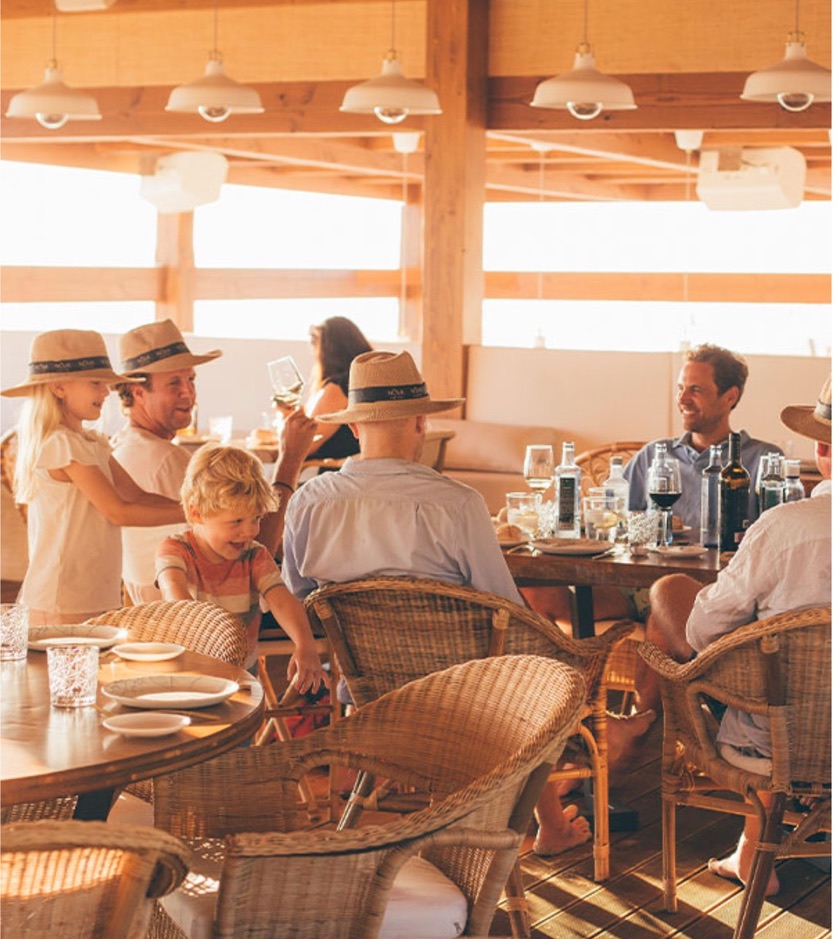
I moved to Marbella in 2018 and I have helped a lot of people do the same since. Most of them arrive with the same questions in the same order, and most of them make the same two or three avoidable mistakes. This is the guide I would hand a friend the day they start thinking about it.
Start with why, honestly
People move here for sun, for lifestyle, for tax, for family, for a fresh start. All of those are fine reasons. But the ones who settle well are the ones who came for a life rather than away from one. If you are running from something, the Mediterranean does not fix it, it just gives it better weather.
The admin, in the order it actually works
NIE. Your foreigner identification number. Nothing else happens without it. Book the appointment before you arrive if you can, because slots move.
Bank account. Easier with the NIE in hand. Expect more paperwork than you are used to and more patience than you have.
Residency. EU citizens register as residents; non-EU routes are their own topic and worth a specialist. Do not improvise this part.
Padrón. Registering with the town hall. It sounds bureaucratic and it is, but it unlocks healthcare, school places and a lot of local admin.
Healthcare. Public if you qualify, private if you want speed and English-speaking clinics. Most families here end up with private on top.
Car. You will need one. Not for daily errands if you choose your area well, but for everything else.
None of this is difficult. All of it is slow. Assume every step takes twice as long as the internet tells you and you will be roughly right.
Timing your move
The school year starts in September, so families cluster their arrival around July and August. That is also the hottest, busiest, most expensive time on the coast, and the worst window to judge whether you like living here. If you can, arrive in the shoulder season and see the place on an ordinary Wednesday in November.
Where to live
Marbella on a map looks like one town. On the ground it is a string of very different places along thirty kilometres of coast, and the difference between them is your whole daily life.
Estepona is calmer, more Spanish, better value, further from everything. San Pedro is practical and increasingly the place families land. Nueva Andalucía is the golf valley, family-heavy, close to Puerto Banús without living in it. The Golden Mile is the postcard and the price. Marbella centre and the old town are the most walkable and the most alive year-round. Elviria and the east side are quieter, greener, and a real commute when the coast road jams.
Then there is the hills-versus-flat question. The views up there are extraordinary and they cost you a car journey for a coffee. Decide which of those you actually want before you fall in love with a terrace.
Rent first. Genuinely.
The single most expensive mistake I see is buying in the first two months. Rent, ideally in two or three different areas, for three to six months. Let the place tell you where you belong. Property here is not going anywhere and the market rewards patience far more than urgency.
Schools
The school decides your area, your commute and your child's friendship group. Marbella has one of the densest clusters of international schools in southern Europe, plus genuinely good Spanish public schools. I have written a separate piece on how I would choose now, including the mistake we made by starting inside a comfortable Nordic bubble.
Cost of living
Day-to-day life is cheaper than northern Europe: food, eating out, service, sport. The big line items are not. Private school fees, private healthcare, a decent car and rent in the desirable pockets add up quickly, and property purchase costs here are meaningful on top of the price. Build your budget from the fixed costs downward, not from the restaurant bill upward.
Tax
Spain's rules on residency, worldwide income and wealth are not something to work out from a forum post. Talk to a Spanish tax adviser before you set your move date, because the date itself matters. This is the one area where being cheap is expensive.
Working from here
If you run a company remotely, decide early whether you are a home-office person or a workspace person, then check the fibre, the noise and what August does to the building. I ended up building the answer for myself and for others: The Pool, a workspace in Marbella for founders and operators who need somewhere serious to work and people worth having lunch with.
Language and friends
Everyone speaks English here, which is exactly why so many people never learn Spanish. Six years in, my strongest advice is to learn the language and make Spanish friends early. The expat circuit is easy and it is also a slow way of never quite arriving. You moved to Spain. Live in Spain.
What actually determines whether you are happy
Not the house. The geography of your week. Short school run, short commute, a place you can walk from, a sport you already play nearby, and at least a few friends who were here before you. Get those six right in your first year and everything else is admin.
If you are working through this and want a second opinion, message me. I have made most of these decisions once already, some of them twice.
This is part of my Marbella guide: everything I have written about moving here, living here, and running a company from the coast.
Last updated 14 August 2026.
A letter, roughly monthly
One essay a month on building companies, AI, investing and life in Marbella. No pitches, no funnels. Unsubscribe in one click.