Cost of living in Marbella: what a family actually spends
The honest budget — housing, schools, healthcare, cars, food and the fixed costs nobody mentions until the second month.

These are ranges from what people around me actually pay, not published data. Treat them as a starting point for your own budget.
People ask me what it costs to live here and then get frustrated with the answer, because the honest answer is: it depends entirely on two decisions. Where you live and where your children go to school. Everything else is rounding.
A rough monthly picture for a family of four
| Item | Monthly range |
|---|---|
| Rent, 3–4 bed in a good area | €2,500–6,000 |
| International school, per child | €700–1,400 |
| Private health insurance, family | €200–400 |
| Groceries | €800–1,200 |
| Car (lease, fuel, insurance) | €500–900 |
| Utilities and internet | €200–400 |
| Eating out and social | €600–1,500 |
| Sport, padel, gym, clubs | €150–400 |
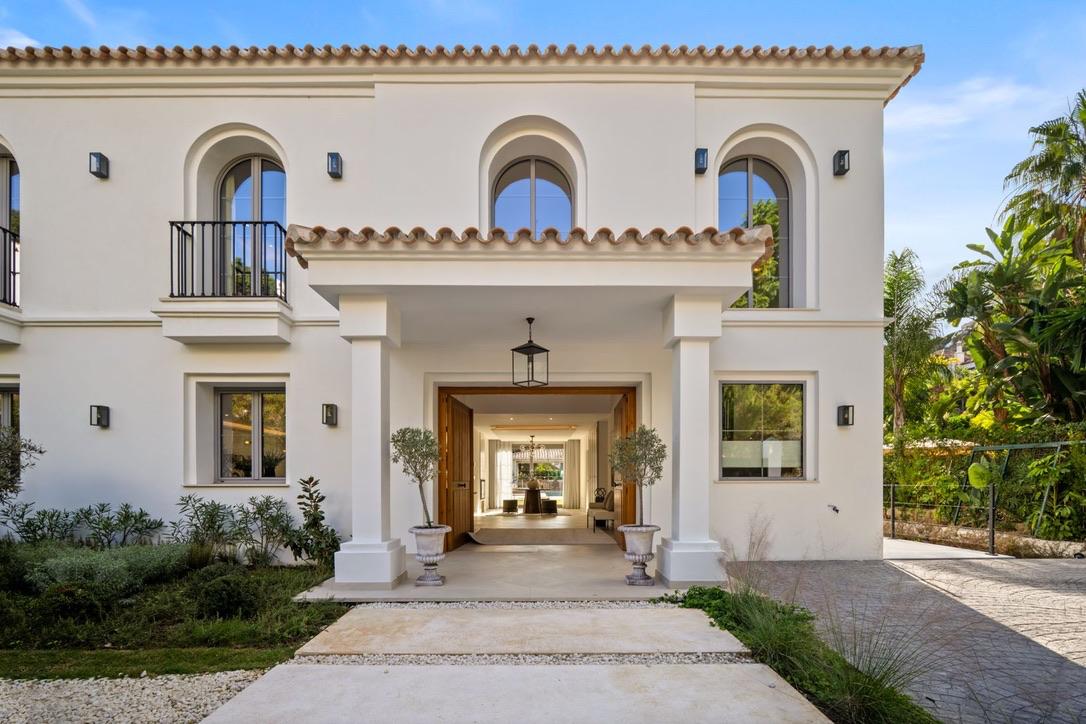
That lands most families between roughly €6,000 and €12,000 a month. The bottom of that range is a normal, good life in Estepona or San Pedro. The top is the Golden Mile with three children in private school.
What is genuinely cheaper here
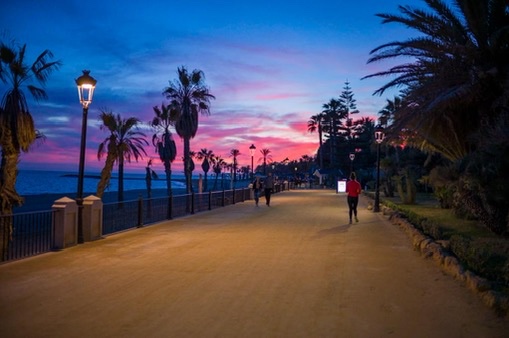
Food, both in shops and out. A good lunch is a fraction of what it costs in Stockholm or London. Services — cleaning, childcare, tradespeople, a haircut — are noticeably cheaper. Sport is cheaper and there is more of it. Petrol is cheaper. And the free stuff, which is most of what I actually enjoy here, is free: the sea, the mountains, the promenade, the light.
What is not cheaper
Anything imported. Anything international-school shaped. Good rental stock in the desirable pockets, which has moved a lot since 2018. Electricity in a big house with a pool in August. And cars, which cost roughly what they cost anywhere in Europe.
The costs people forget
If you buy rather than rent: community fees, IBI (council tax), rubbish tax, pool and garden maintenance, and non-resident income tax if it is not your main home. A large plot is a permanent line item.
If you are self-employed: Spanish social security contributions as an autónomo, plus a gestor to keep you compliant. Cheap individually, constant collectively.
The moving year is its own budget
Deposits, agency fees, a car, furniture, school registration, NIE and legal costs, plus overlapping rent at home. Almost everyone underestimates this and then panics in month three. Budget it separately from your steady-state number and the whole move feels calmer.
The honest summary
You can live extremely well here for less than a comparable life in northern Europe, or you can spend an unlimited amount, and both are equally available within about two kilometres of each other. The coast will happily match whatever budget you bring. That is a freedom and a trap.
Common questions
- Is Marbella expensive to live in?
- Daily living is cheaper than northern Europe — food, eating out, services and sport all cost noticeably less. Housing in the most desirable areas and international school fees are where the money goes, and those two items drive most of the difference between a €6,000 and a €12,000 month.
- How much does a family of four need per month in Marbella?
- Most families I know land between roughly €6,000 and €12,000 a month, with rent and school fees making up around two thirds of that. Living in Estepona or San Pedro with children in Spanish state school puts you far below that range.
- How much are international school fees in Marbella?
- Roughly €700–1,400 per child per month depending on the school and year group, usually with registration and enrolment fees on top in the first year.
This is part of my Marbella guide: everything I have written about moving here, living here, and running a company from the coast.
Last updated 13 August 2026.
A letter, roughly monthly
One essay a month on building companies, AI, investing and life in Marbella. No pitches, no funnels. Unsubscribe in one click.