A practical guide to relocating to Marbella
The order of operations for a family move: rent before you buy, NIE, empadronamiento, healthcare, schools, cars and the first six months.
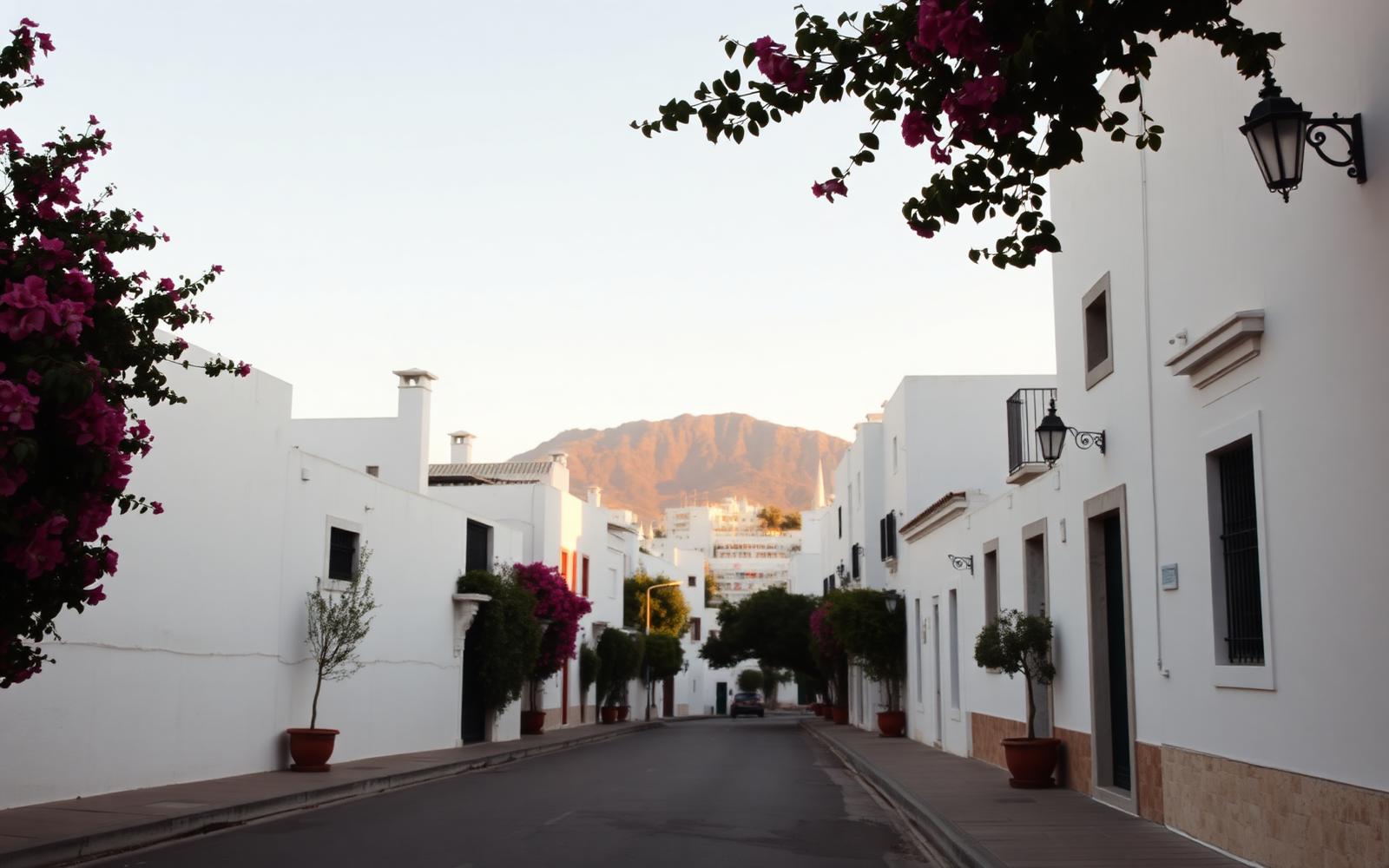
When we packed up the family and moved from Sweden to Marbella in 2018, we told everyone it was a two-year experiment. We wanted a break from the Stockholm winters, a bit of an adventure, and some time in the sun. We are still here. Over the last six years, I have watched dozens of friends, former colleagues, and acquaintances try to make the exact same move. Usually, they call me for advice before they book their flights. I always tell them exactly the same things, and usually, they ignore me completely. Moving countries with a family is a chaotic exercise in managing expectations, mostly your own. It is easy to look at the palm trees and assume life will simply be easier. Let me explain how to actually sequence this relocation without losing your mind, your savings, or your patience.
Do not buy a house
This is the trap almost everyone falls into. You fly down in late spring. The sky is completely clear, the wine is cheap, and you convince yourself that buying a sprawling villa in Nueva Andalucía is a solid financial decision. I cannot stress this enough: rent for a year first. Always. Marbella has highly specific micro-neighbourhoods that change completely depending on the season. A street that feels perfectly quiet in February might be a main artery for mopeds in August. A house that looks beautiful on a property portal might be a damp, poorly insulated nightmare when the heavy winter rains arrive. By renting, you buy yourself twelve months of pure optionality. You figure out where you actually want to drink your morning coffee, where the kids' school drop-off is least painful, and whether you prefer the quiet of San Pedro or the hills of Benahavís. You also learn if you actually like living in southern Spain when you are not on holiday. The transaction costs of buying and selling property here are high. If you buy the wrong house in month one, it is a very expensive mistake to fix.
Spanish bureaucracy operates on a completely different frequency to northern Europe, and resisting it is a fast track to high blood pressure.
The paperwork and the waiting
If you are used to the digital efficiency of Stockholm, where you can start a company and pay your taxes while waiting for a bus, you need to adjust your internal clock immediately. Expect everything to take twice as long. Actually, expect it to take three times as long, and then you might occasionally be pleasantly surprised. You cannot navigate this system alone. The very first thing you need to do, before you even pack a box, is hire a gestor. A gestor is a uniquely Spanish profession. They are part accountant, part lawyer, and part administrative fixer. They will secure your NIE, which is the foreigner identity number you need to do literally anything. You need an NIE to open a bank account, but you often need a bank account to rent a house, creating a frustrating loop that only a local professional can break. They will also handle your taxes and deal with the local town hall to get your residency certificate. Do not try to save a few euros by downloading forms and queuing up at government buildings yourself. I tried to be clever with my own administration when we arrived. I got it wrong for years and had to pay someone to fix the mess anyway.
The timeline of survival
The sequence of your first half-year is highly predictable. Month one is purely logistical survival. You are finding a supermarket you tolerate, setting up an internet connection that will inevitably drop out during a crucial video call, and getting the kids into a new routine. Try to do nothing else. When I am building companies like Anchor or Substrat, I like to move fast, but in month one of relocation, you must move slowly. By month three, the holiday feeling wears off and reality sets in. You will start noticing the inefficiencies. The contractor who promised to fix your air conditioning simply stops replying to messages on WhatsApp. This is the danger zone where northern Europeans become bitter and complain loudly at dinner parties. You have to learn to shrug. Take up tennis. I play quite badly, but I play often, and hitting a ball into a net is the best way to meet people who have already survived the transition and can recommend a reliable plumber.
By month six, you either surrender to the rhythm of the place or you start packing your bags to go home. You will finally have your residency paperwork sorted, your gestor will have explained the wealth tax to you, and you will know exactly which restaurants to avoid because they only serve expensive, mediocre food to tourists. You start focusing on your actual work again, rather than simply managing your existence. We meant to stay twenty-four months. But the truth is, once you build a real, functional life here, it is very hard to leave. Since about 2010, I have kept a written life plan that I update every year, scoring my health, finances, work, and personal time out of ten. Before we moved, the work score was always high, but the others suffered. Since moving to Marbella, the scores for personal time and family have consistently stayed up. The administration is slow and the summer traffic is awful, but I haven't got any plans to move back north. Just remember to rent first.
A letter, roughly monthly
One essay a month on building companies, AI, investing and life in Marbella. No pitches, no funnels. Unsubscribe in one click.