Choosing an international school in Marbella
British, IB, Scandinavian and Spanish options on the Costa del Sol, and the questions I wish I had asked before we chose.
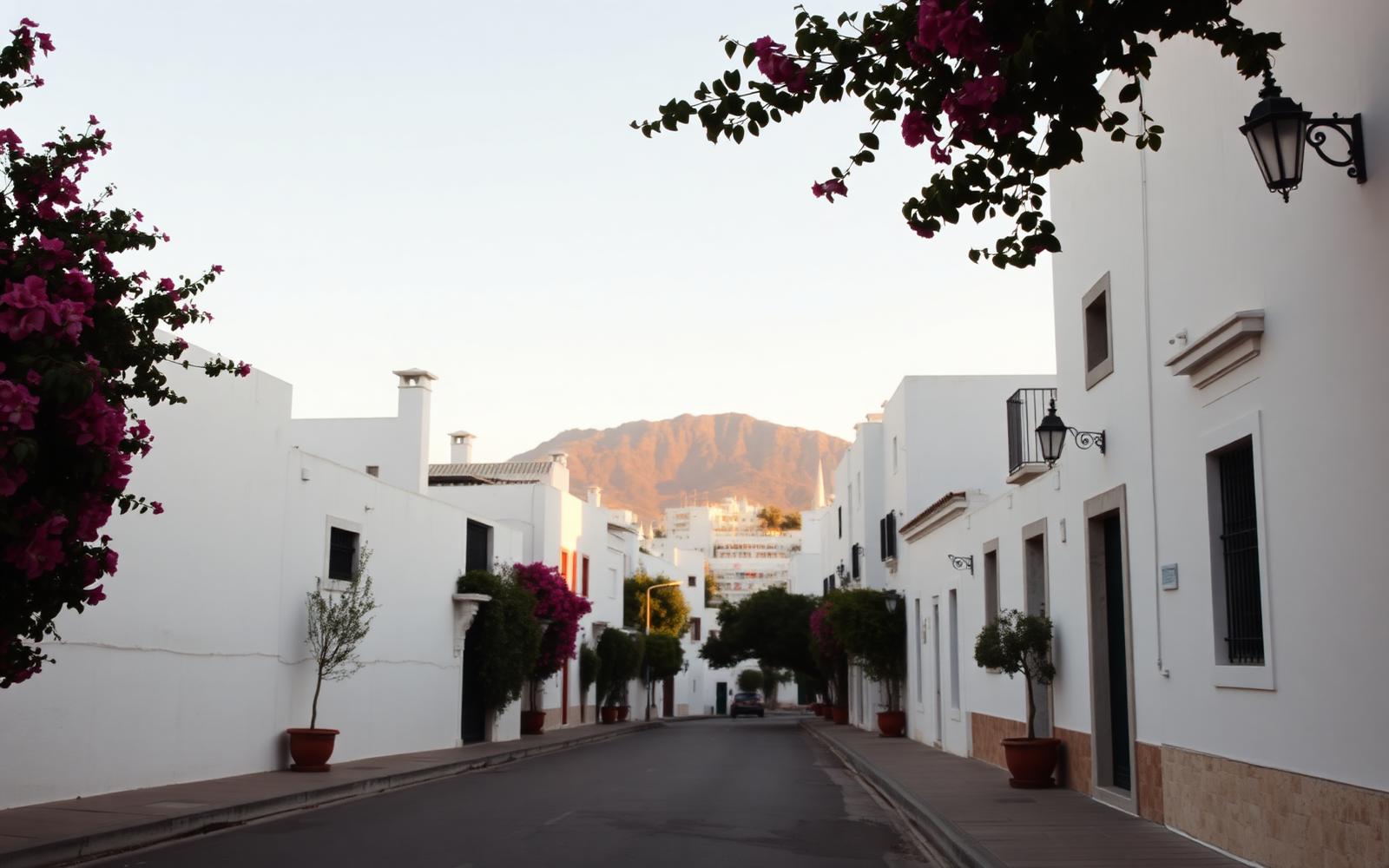
When we moved the family from Sweden to Marbella in 2018, the plan was to stay for two years. That sort of timeframe changes how you look at everything, especially schools. You think of it as a temporary project, a brief detour before returning to real life. I remember sitting at a laptop late at night, comparing the British curriculum to the International Baccalaureate, trying to figure out which one would make the eventual transition back to the Swedish system less painful. I was treating it like a pure engineering problem. If I put the right inputs in, the right educated child would come out. We toured the campuses, nodded at the shiny science labs, and listened to admissions directors talk about creating global citizens. Seven years later, we are still here. And I now realise I was looking at completely the wrong things.
The invisible problem of churn
The trap with international schools in a place like the Costa del Sol is that you get blinded by the academics and the facilities. But a school is primarily a social network for children. If you want to know if a school is good, you need to measure the stability of that network. Marbella is a transient town. Families arrive from London or Stockholm with the exact same two-year plan we had. Many of them actually stick to it. Others get bored, or their businesses need them back home, or they realise the winter here can actually get quite damp and miserable. The result is churn. Every June, a sizable chunk of your child's classroom simply packs up and disappears.
The most important question to ask a school director has nothing to do with university placement rates. You need to ask how many children in year four will still be there in year six.
I did not understand how hard student turnover hits kids until we lived through it. Building friendships takes work, especially when you are small and navigating a completely new culture. When a third of those friends vanish every summer, children learn a harsh lesson. They stop investing. They start holding back, knowing the new kid sitting next to them will probably be gone by Christmas. A brand new sports hall cannot fix a child who has decided it is safer not to make friends. It breaks the social fabric of the classroom, and it forces the teachers to spend the first three months of every academic year managing group dynamics instead of teaching.
The teachers and the language
Then there is the other side of the churn: the teachers. Teaching at an international school in Spain sounds like a dream job, which means these schools attract a massive volume of applicants. Some are brilliant educators looking for a better lifestyle. Others want a year in the sun, drinking wine on the beach, before getting a serious job back in the UK. High teacher turnover is a glaring warning sign. If a school cannot keep its staff for more than two or three years, it usually means the management is dreadful or the pay is too low to sustain a life here. Either way, your child pays the price. A curriculum is a piece of paper. The person delivering it needs to care about being there next year.
There is also the Spanish problem. You can easily spend tens of thousands of euros a year to send your child to a school in Andalusia, only to find they speak less Spanish than a tourist ordering a beer. International schools are bubbles. The default language on the playground is English. The curriculum is in English. Unless the school actively forces integration and takes its Spanish classes seriously, your children will live in Spain without ever actually experiencing it. We wanted our kids to integrate. Existing in a wealthy expat waiting room was never the goal.
Finding the real metrics
I keep a written life plan that I update every year, scoring different areas of my life out of ten. I rate my health, my finances, work, the time I get for myself, and my family. When I score the family section, the kids' happiness at school is a heavy factor. If I were starting over today, looking for a school in Marbella, I would ignore the glossy brochures entirely. I would sit down with the headmaster and ask for three specific numbers. I would ask for the annual student turnover rate, the percentage of teaching staff that has been there longer than four years, and the exact plan they use to ensure my child will be fluent in Spanish by the time they leave. I haven't got parenting figured out, and I certainly got the school selection process wrong at the start. We got lucky with where we ended up, mostly because we decided to stay in Spain and outlasted the initial churn. But if you are moving here, do not obsess over whether the maths syllabus is British or international. Obsess over whether the people teaching it, and the children learning it, will still be around next September.
A letter, roughly monthly
One essay a month on building companies, AI, investing and life in Marbella. No pitches, no funnels. Unsubscribe in one click.