Best areas to live in Marbella (an honest breakdown)
Nueva Andalucia, the Golden Mile, Elviria, San Pedro, Estepona and the old town, judged on the boring criteria that actually matter day to day.
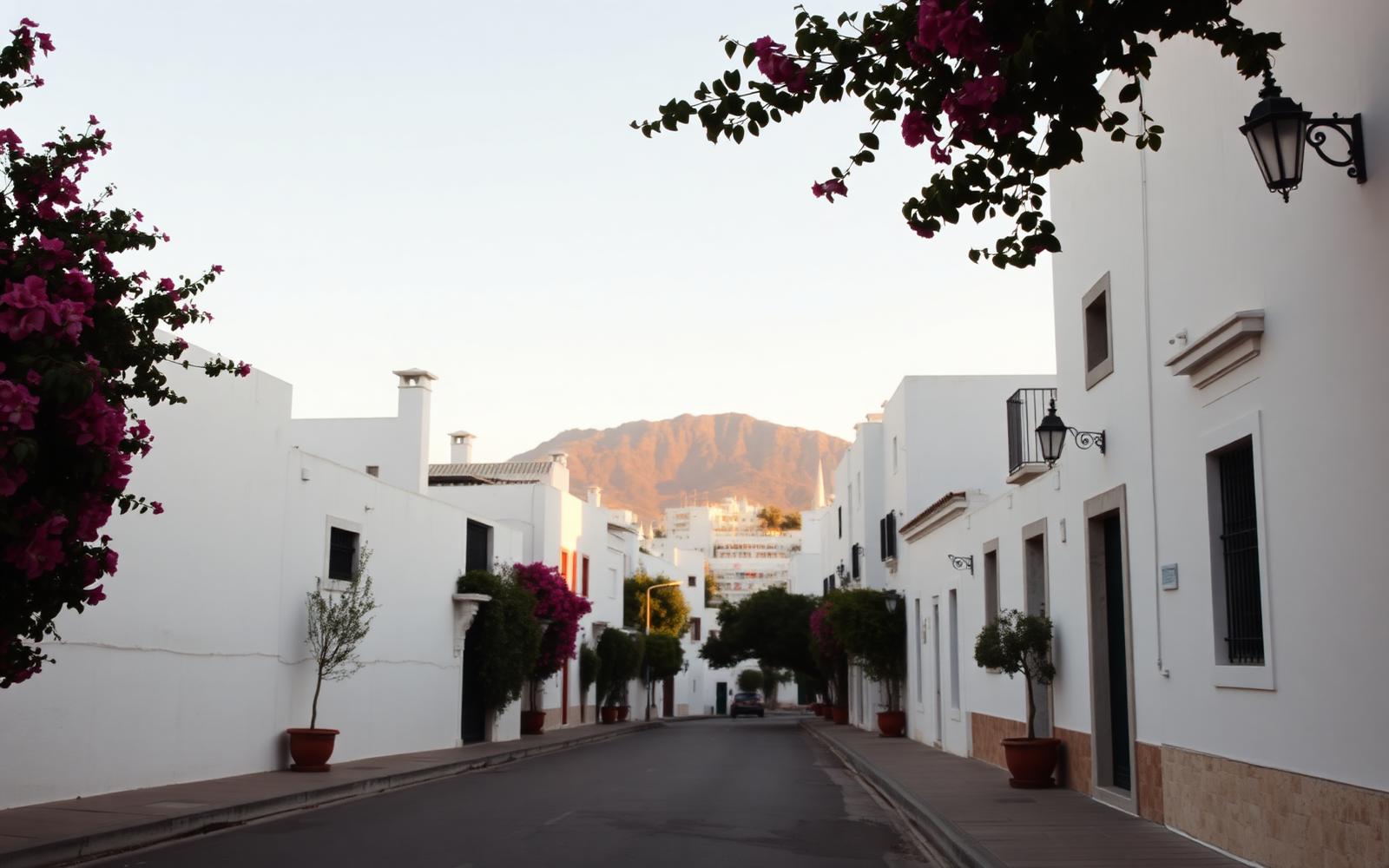
When we moved my family from Sweden to Marbella in 2018, the plan was to stay for two years. I am still here, and my tennis has not improved. Because I build companies and invest, people from Stockholm or London often message me asking for advice on making the same move. They usually send me a link to a white villa with an infinity pool and ask what the specific neighbourhood is like. I have to tell them they are looking at the wrong details. Moving to Spain means you are acquiring a Tuesday morning in November, a rainy school run, and the absolute chaos of the A-7 coast road in August. You need to judge an area by how much time you will spend staring at the back of a delivery van, whether you can walk to get a coffee, and who your neighbours actually are. Let me explain how this town functions.
The Golden Mile and the illusion of luxury
Everyone knows the Golden Mile. It is the famous stretch between Marbella centre and Puerto Banús, and it is objectively beautiful. If you have infinite money, this is where the estate agents will tell you to buy. But I will be honest with you: living there year-round is a strange experience. In August, the traffic is so severe that a five-kilometre drive to a restaurant can take forty-five minutes. You will sit at the Puente Romano roundabout and watch your evening evaporate. Then winter arrives, and the area entirely empties out. Many of those incredible villas belong to people who visit for three weeks a year. Your neighbours are security cameras and gardening crews. If you have kids, you will be driving them up into the hills for school anyway. It is fantastic for a long weekend, but for daily life, you pay a massive premium to sit in traffic during the summer and look at dark houses in January.
You need to judge an area by how much time you will spend staring at the back of a delivery van, whether you can walk to get a coffee, and who your neighbours actually are.
Nueva Andalucía and the school run battle
If you cross the highway from Puerto Banús and head up the hill, you hit Nueva Andalucía. This is the Golf Valley. It is also where a massive chunk of the Swedish and British populations end up. I spend a lot of time here because it has some decent tennis clubs, where I play often and badly. The upside is the infrastructure. You have international schools, good gyms, and decent supermarkets right on your doorstep. Your neighbours will be fellow expats, which makes meeting people easy. The downside is that you are entirely dependent on your car. You cannot walk anywhere useful. The school run to places like Aloha is a daily tactical operation involving hundreds of large SUVs trying to navigate roundabouts built for 1970s traffic. It can be frustrating, but at least the area stays alive in the winter. You will actually see lights on in the houses next door.
San Pedro and the eastern highway trap
Further west is San Pedro de Alcántara. This is the area I usually tell young families to look at first. It is flatter, which means you can actually ride a bike or walk to a cafe without needing a shower afterwards. It feels much more like a real, working Spanish town. It does not die when the tourists leave, and the restaurant prices are grounded in reality. The main negative is that the property stock is older, and you will not get the sweeping mountain views you find up in the hills. On the completely opposite side of Marbella, you have the East: Elviria, Las Chapas, and Cabopino. They have the best beaches and the best sand. However, if your kids get into a school in Nueva Andalucía or San Pedro, you are going to spend a large portion of your waking life on the A-7 highway. I know people who do this commute. They do not look happy.
My approach to life involves writing things down and tracking them. Since roughly 2010, I have kept a life plan that I update every year, rating my health, finances, work, family, and personal time out of ten. If you apply that kind of cold logic to moving to southern Spain, your priorities shift heavily. A sea view is great for the first month, but a ten-minute school run improves your mood every single day. Being able to walk to a local bakery improves your weekend score out of ten. Do not commit to buying anything until you have rented in an area through both the dead of February and the peak of August. I certainly haven't got everything figured out about living here, and I got plenty of things wrong when we first arrived. But I do know that optimising for your daily routine is the only reliable way to make a temporary move last.
A letter, roughly monthly
One essay a month on building companies, AI, investing and life in Marbella. No pitches, no funnels. Unsubscribe in one click.